Training doctors in Africa takes time. In many communities, delays in training mean delays in care.
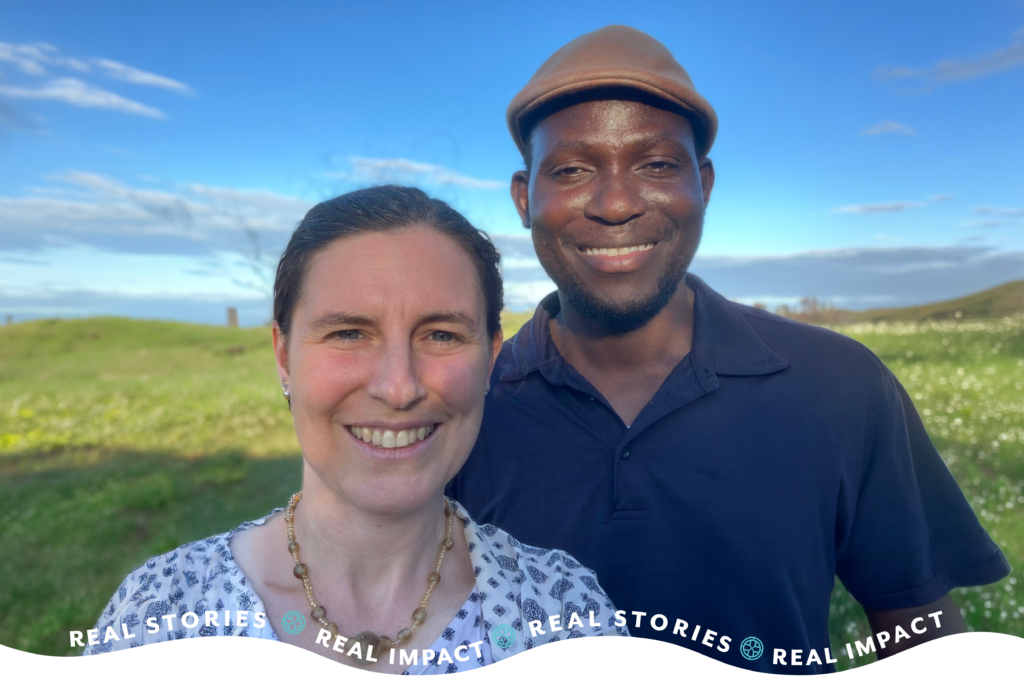
Dr. Paul Opare-Addo has seen how much difference that time can make.
“Two years can make a huge difference in the lives of patients and communities.”
Why Training Matters
The National Scholars Program helps physicians begin residency sooner.
That means:
- More doctors trained
- Care available sooner
- Communities served earlier
Paul has seen this impact firsthand.
Multiplying Impact Through Local Physicians
Doctors trained through this program return to serve in their own communities.
They understand:
- Language
- Culture
- Local needs
This leads to stronger care and deeper trust.
It also creates multiplication. As more doctors are trained, more patients are reached.
Watch the Story
A Clear Opportunity Before June 30
There are more doctors ready to train.
Your support helps them begin.
Give before June 30 to support the training of National Scholars and expand access to care.
Read Paul’s Full Story
“Two years can make a huge difference in the lives of patients and communities.”
The following is a transcript from our interview with Dr. Paul Opare-Addo, who is serving in Kenya and helping train physicians through MedSend’s National Scholars Program.
Paul:
Training a doctor takes time. In many places, that process can be delayed, and those delays have real consequences.
Two years can make a huge difference in the lives of patients and communities.
When a doctor begins training sooner, they are able to start serving sooner. That means patients receive care earlier.
We’ve seen how this changes access to care.
Doctors trained through this program return to serve in their own communities. They understand the context and the needs.
That makes a difference in how they practice.
It also creates a multiplying effect.
As more doctors are trained, more patients are reached. More communities have access to care.
That is what makes this work so important.