Our MedSend Ambassador, Pastor Doug Christgau, recently sat down for an interview with Rob Magwood and Maddie on the Global Missions Podcast — and the conversation covered ground that most people, even committed missions supporters, rarely hear about.
Doug has spent decades sending long-term missionaries from local churches and has personally led teams to 45 countries. Now he’s channeling all of that experience into one of the most under-resourced corners of global missions: healthcare. The episode is well worth a full listen, but here are five highlights that stood out.
1. The world is short 7 million healthcare workers — and it’s getting worse.
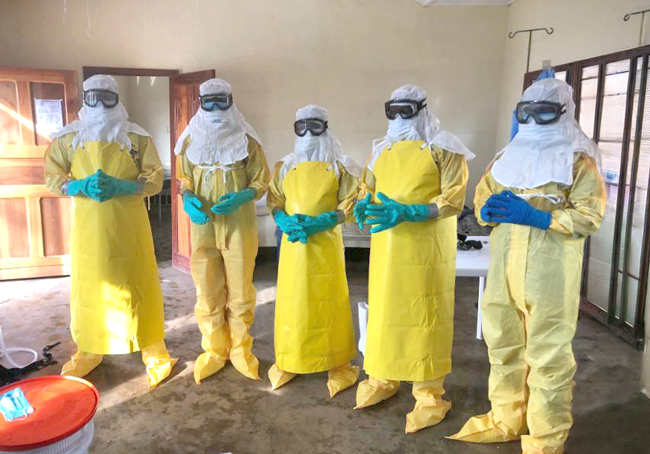
The World Health Organization projects that number will climb to 12 million by 2030. In Kenya, physician coverage runs at roughly 10% of what Americans experience. In Malawi, it’s about 10% of Kenya’s. In Sierra Leone — a country of four million people — there are four surgeons. Healthcare professionals who feel called to missions aren’t filling a gap. They’re entering a crisis.
2. Countries that won’t accept missionaries will accept doctors.
This one surprises people. There are Muslim-majority nations that actively deny missionary visas — but will issue healthcare visas without hesitation because the medical need is too urgent to refuse. In one country Doug mentioned, the government actually constructed a new hospital facility and gave a Christian mission organization explicit permission to share the gospel within its walls. The need opened a door that no amount of outreach strategy could have.
3. Educational debt is quietly killing missionary callings.
This is the reason MedSend exists. Many healthcare professionals who go on short-term trips and feel a genuine call to long-term missions never make it to the field — not because the call fades, but because repaying student loans takes 10 to 12 years. By the time they’re financially free, the window has often closed. MedSend’s grant program was built specifically to remove that barrier and get healthcare workers to the field sooner.
4. It’s not just doctors and nurses — veterinarians have a role too.
Doug mentioned that MedSend will provide grants for any board-certified healthcare professional, and that includes veterinarians. Tribal communities in parts of West Africa who are largely closed to the gospel have warmly welcomed vets who help them protect their livestock. Sometimes the key to a community’s trust is meeting the need they actually have — not the one we assume.
5. The goal isn’t just to send Westerners — it’s to build local capacity.
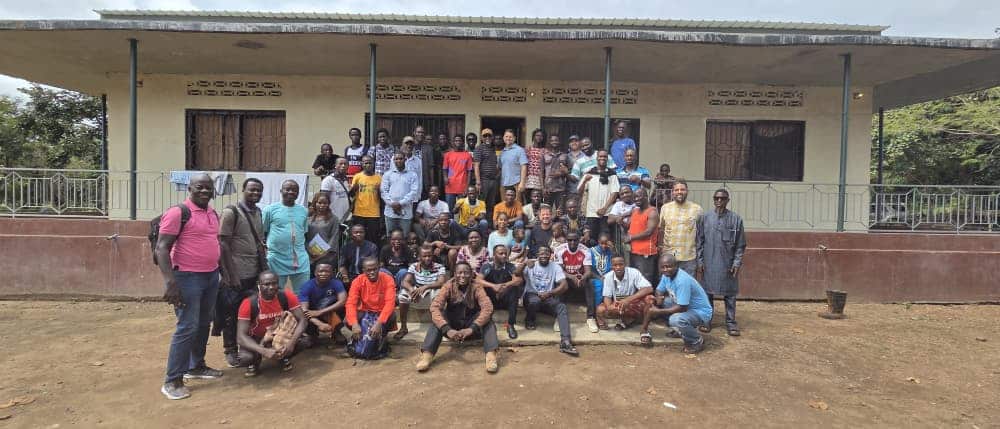
Through MedSend’s International Scholars program, the organization funds residency training for healthcare professionals in Africa and Asia who are completing their education in their home countries. Around 60 national scholars are currently supported through this program. The long-term vision is a healthcare missions movement that doesn’t depend on Western personnel to sustain it.
Doug also walked through what MedSend looks for in grant applicants, shared stories of real impact in closed countries, and offered practical next steps for both healthcare professionals and church missions committees.
Listen to the full episode here → Global Missions Podcast, Episode 175
And if you want to go deeper on what healthcare missions looks like in practice — and how MedSend supports workers through every stage of the journey — visit our Medical Missions resource page.