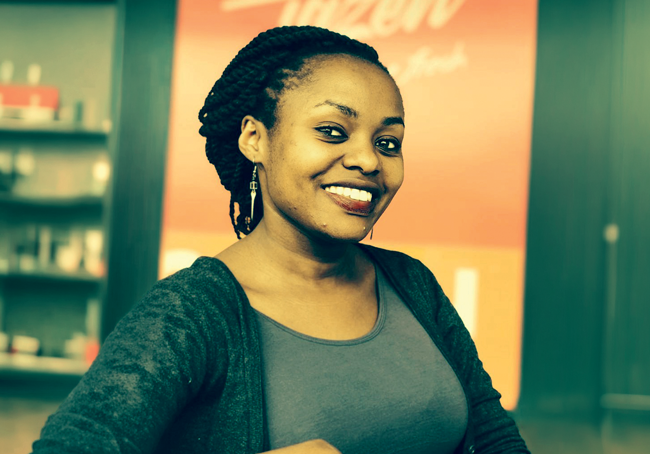
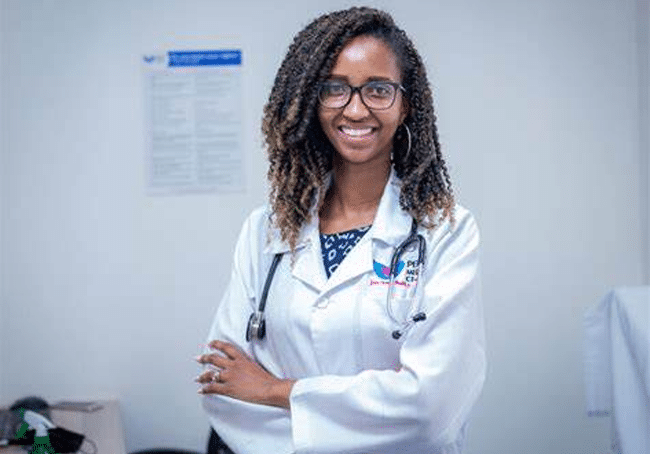
“I am playing a significant role in ensuring there is a generation of medical professionals who are consistently offering whole person care to persons seeking medical care. Clinicians who see the person, not the disease.” – Dr. Sarah Kiptinniss
The Reality of Care in Nairobi
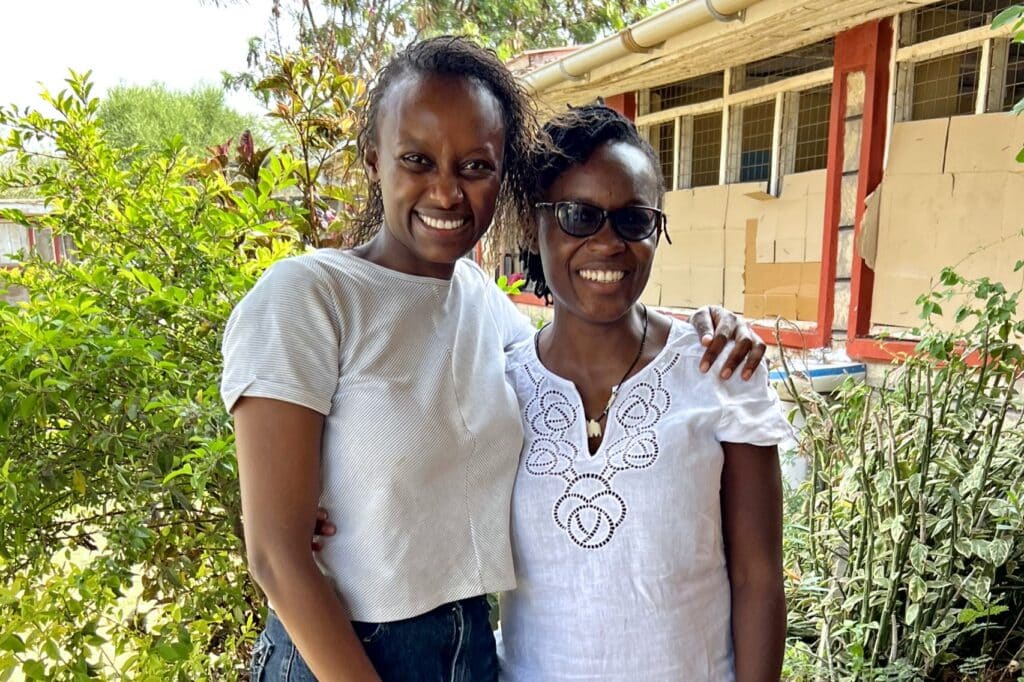
Access to medical care in the low-income areas around Nairobi, Kenya is severely limited. High population density, poverty, and inadequate infrastructure are common in these areas. MedSend National Scholar graduate Dr. Sarah Kiptinness is on the ground in Nairobi making real change with the help of her MedSend-funded residency training.
The poverty-stricken communities surrounding Nairobi often struggle to access basic healthcare services due to several factors:
- Limited Health Facilities: There are few healthcare facilities available, and those that exist are often under-resourced and overcrowded. Those seeking care rely on small, informal clinics that may lack essential medical supplies and qualified personnel.
- Distance and Transportation: Even when there are healthcare facilities, they can be difficult to reach due to poor infrastructure and lack of reliable transportation. This is particularly challenging in emergencies.
- Quality of Care: The quality of care in available facilities can be inconsistent. Overworked and underpaid medical staff, coupled with shortages of essential medicines and equipment, can compromise patient care.
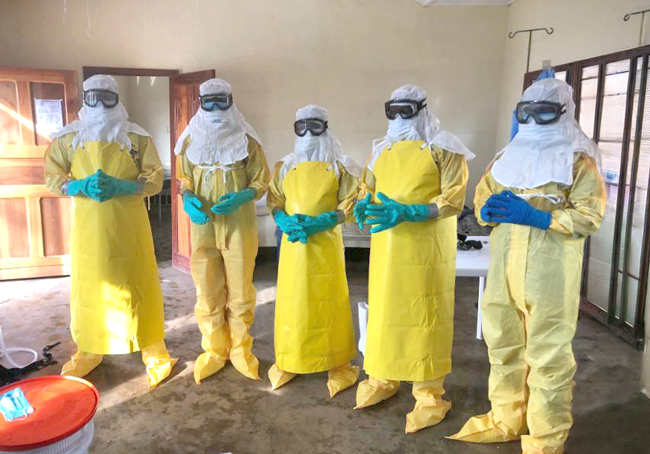
- Public Health Challenges: These low-income areas face significant public health issues, including high rates of infectious diseases (such as tuberculosis, HIV/AIDS, and diarrheal diseases), malnutrition, and poor sanitation. Limited access to clean water and proper waste disposal exacerbate these conditions.
- Health Education: There is often a lack of health education and awareness among residents, which can lead to the spread of preventable diseases and poor health-seeking behaviors.
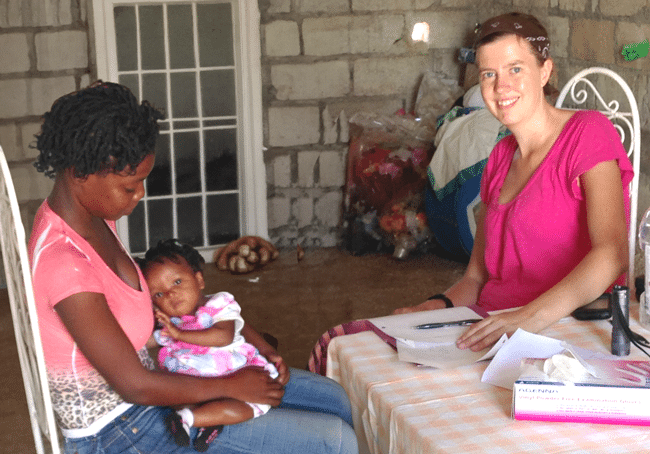
Efforts to improve healthcare access in Nairobi’s poor communities include initiatives that focus on preventive care, maternal and child health, and community health education to address the unique needs of these communities.
Dr. Sarah Kiptinniss Becomes Part of the Solution
“I am currently working as the Head of Medical Services at Penda Health. Penda Health has 19 medical centers around Nairobi offering affordable, high-quality primary healthcare services in low-to-middle income communities in Nairobi,” Dr. Kiptinniss tells us.
“My role involves a lot of mentoring of younger medical professionals. I am always inspired when I see a clinician approach a patient holistically during a clinical encounter—not just focusing on the physical ailments but also identifying and addressing any social, emotional, or spiritual areas of concern. This gives me hope in knowing that I am playing a significant role in ensuring there is a generation of medical professionals who are consistently offering whole-person care to persons seeking medical care. Clinicians who see the person, not the disease,” she says.
Since graduating, Dr. Kiptinness has played a significant role in leading a Penda Health team in developing a clinical decision support system based on the electronic medical record. This ensured that the 100+ clinical officers could offer evidence-based medical services consistently across the 19 medical centers she oversees. “The greatest challenge in a multi-center healthcare facility is ensuring and maintaining high-quality care that is standardized across all branches,” she explains.
Challenges to Transforming Medical Care in Nairobi
Dr. Kiptinniss believes the biggest challenge the medical community faces in Nairobi is consistency. In a world where situations and people keep changing, it is very easy to lose focus on what is important, she says.
“Patient experience through holistic care and continuous medical education of the healthcare providers who serve them is a priority and needs to be consistently available. It is very easy to get distracted and forget to prioritize these things and eventually fall off the track of being consistent,” says Dr. Kiptinniss.
Facing these challenges has led Dr. Kiptinniss to learn valuable lessons in resilience and perseverance, which have grown her into the doctor she is today.
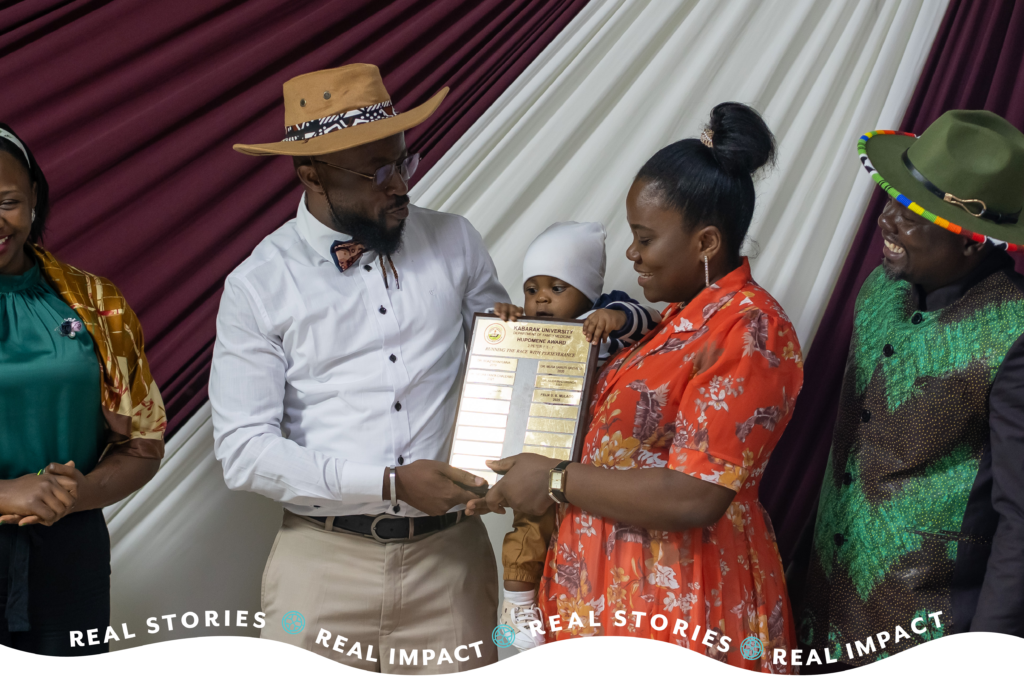
“These are lessons I began to learn during my residency program at Kabarak University and have continued to learn at my place of work. My approach to challenges at work is with a heart to learn and grow through the challenge. I rarely get flustered or overwhelmed by challenges and when I occasionally do, I remind myself to be still and wait on the lesson. God has allowed this to happen for a specific reason,” she shares.
MedSend Creates a Path to Impact
The National Scholars program is a vital tool for equipping dedicated national healthcare professionals throughout Africa and Asia with the training and resources they need to serve vulnerable communities. By investing in these scholars, you not only enhance the quality of medical care but also foster hope and health in regions where it is most needed. Will you become a part of this transformative mission today?